 If the lights go out, are you prepared? That is a simple but necessary question that we must ask ourselves. In the event of a power outage something as simple as having a flashlight, radio and extra batteries available can make you and your family more comfortable during these times.
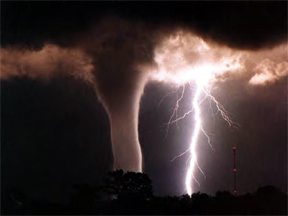
Kentuckians face many natural disasters, mostly weather related, and man-made challenges throughout the year; from tornadoes, flooding, straight line winds, lightning, winter storms, hazardous chemical spills and daily personal emergencies. Every household and every business should be prepared to face these challenges at any given time.
Although state and local governments are here to assist the public during these times, preparedness starts at home. It starts with being aware of conditions and situations that threaten you and your family’s safety.
BE AWARE – BE PREPARED – HAVE A PLAN!
Be Aware:
• Know what risks face your community
• Know in advance your weather forecasts
• Own and monitor a battery backup NOAA Weather Alert Radio and battery (or crank) AM/FM radio for local broadcasts
• During an emergency stay tuned to your local broadcasting stations
• Discuss conditions with family members and know their location during times of known potentially threatening conditions
Be prepared: You should have at minimum a three day supply of food and water for each member of your family. Changing out periodically.
• Put together an emergency kit to include essentials such as: medicines, flash lights, radio, extra batteries, matches, candles, first aid supplies, eye glasses, extra keys, CASH, etc.
• Refresh you emergency kit(s) periodically
• If you own a generator, read and familiarize yourself with the owner’s safety manual before ever attempting to use it
Have a plan:
Along with an emergency kit you should have an emergency plan.
• Discuss your plan with family members, neighbors and a out of state
contact
• Review your plan periodically for necessary updates
• Drill - practice your plan with household members
Preparedness guides and additional information can be found at Ready.Gov .